
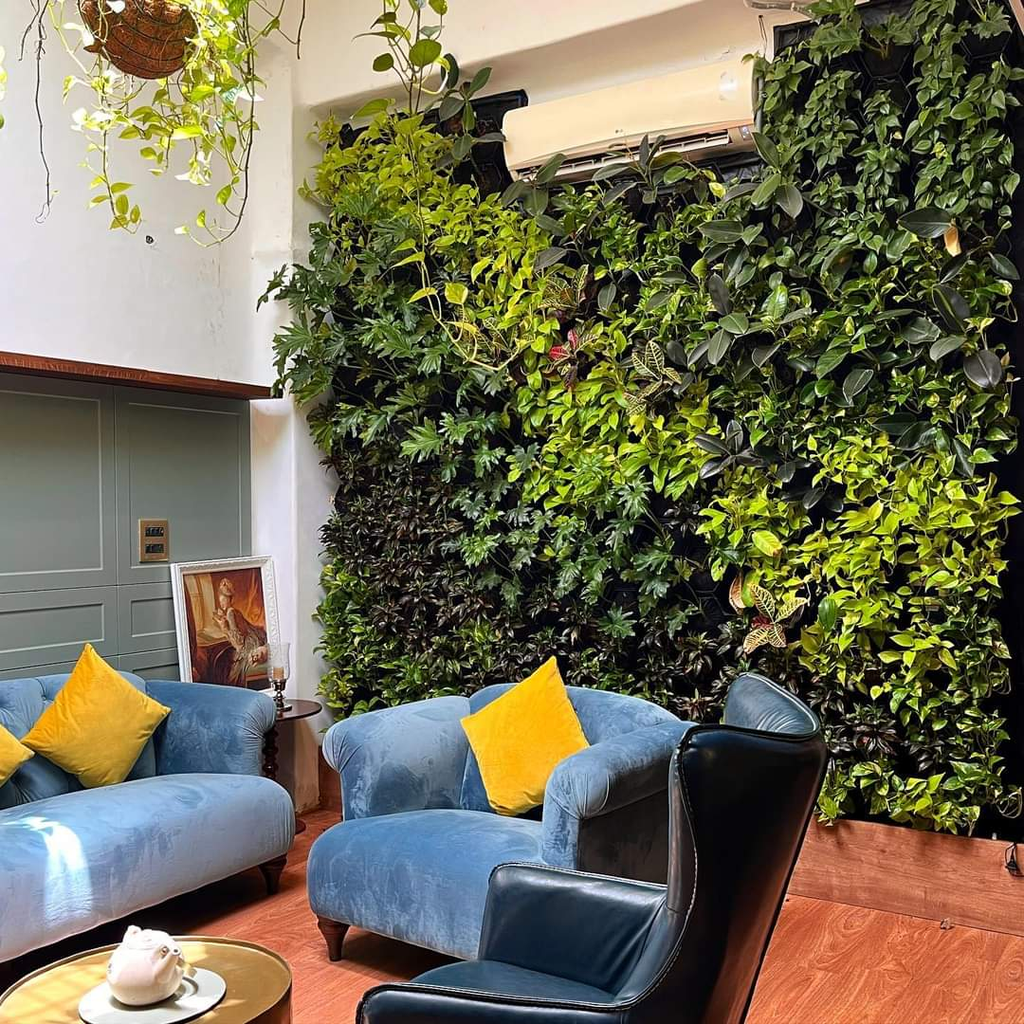
Strategic positioning of air-purifying low-light plants inside luxury homes, offices, and retail spaces.
Indoor plants have to survive conditions no outdoor garden ever faces — fixed artificial light, constant temperature, and no rainfall at all — which means styling a space with greenery is as much about selecting plants suited to those conditions as it is about where they’re placed for visual effect. Get the species wrong for the setting and even the best-placed plant declines within weeks.
What Goes Into Indoor Plant Styling
Reading the Light a Space Actually Gets
Rooms that look bright to the eye often receive far less usable light than plants need, especially away from windows or under artificial lighting alone. Matching plant species to the real light levels in a specific spot — not just the room’s general brightness — is the single biggest factor in whether an indoor plant thrives or slowly fades.
Air-Purifying, Low-Light Species
Certain species tolerate low light and inconsistent watering far better than others, and some are chosen specifically for their ability to help filter common indoor air pollutants. These tend to be the reliable choices for interior spaces where conditions are less forgiving than an outdoor garden.
Strategic Positioning
Placement is about more than filling empty corners — plants are positioned to soften hard architectural lines, draw the eye toward or away from certain areas, and create a sense of scale in a room, which takes a different kind of planning than outdoor landscaping where the space itself is less controlled.
Scale Across a Space
A mix of plant sizes — a larger floor specimen, mid-height plants on furniture or shelving, smaller pieces on desks or sills — tends to read as more intentional than uniform-sized plants scattered evenly through a room, similar to how outdoor planting design layers heights for visual depth.
Homes, Offices, and Retail Spaces
The right approach differs by setting — a retail space might use plants to guide customer flow and reinforce brand feel, an office might prioritize air quality and low-maintenance species near workstations, and a home allows more personal, varied choices throughout.
Why Ongoing Care Still Matters Indoors
Indoor plants don’t get rain, seasonal light changes, or natural pest control the way outdoor plants do, so their care has to be managed entirely by hand — rotating for even light exposure, adjusting watering as seasons change indoor humidity, and catching pest issues early since there’s no outdoor ecosystem to help keep them in check.