Soil sterilization, compaction, drainage grids, and selection of high-grade Mexican or Bermuda grass.
Whether the choice is natural sod or artificial turf, a lawn is only as good as the ground it’s installed on. Rolling out grass or turf over a poorly prepared base is one of the more common reasons a new lawn looks patchy, drains badly, or needs redoing within a couple of seasons — the visible surface is the easy part; the groundwork underneath is what actually determines how it holds up.
What Goes Into a Proper Installation
Soil Sterilization
Before any turf goes down, existing weeds, old root systems, and pathogens in the soil are cleared so the new lawn isn’t competing with or inheriting problems from what was there before. Skipping this step often means weeds re-emerging through a brand-new lawn within weeks.
Compaction
The base needs to be compacted evenly so the ground doesn’t settle unevenly afterward — uneven settling later shows up as dips, bumps, and drainage problems that are far harder to fix once turf is already laid than they would have been to address at the base stage.
Drainage Grids
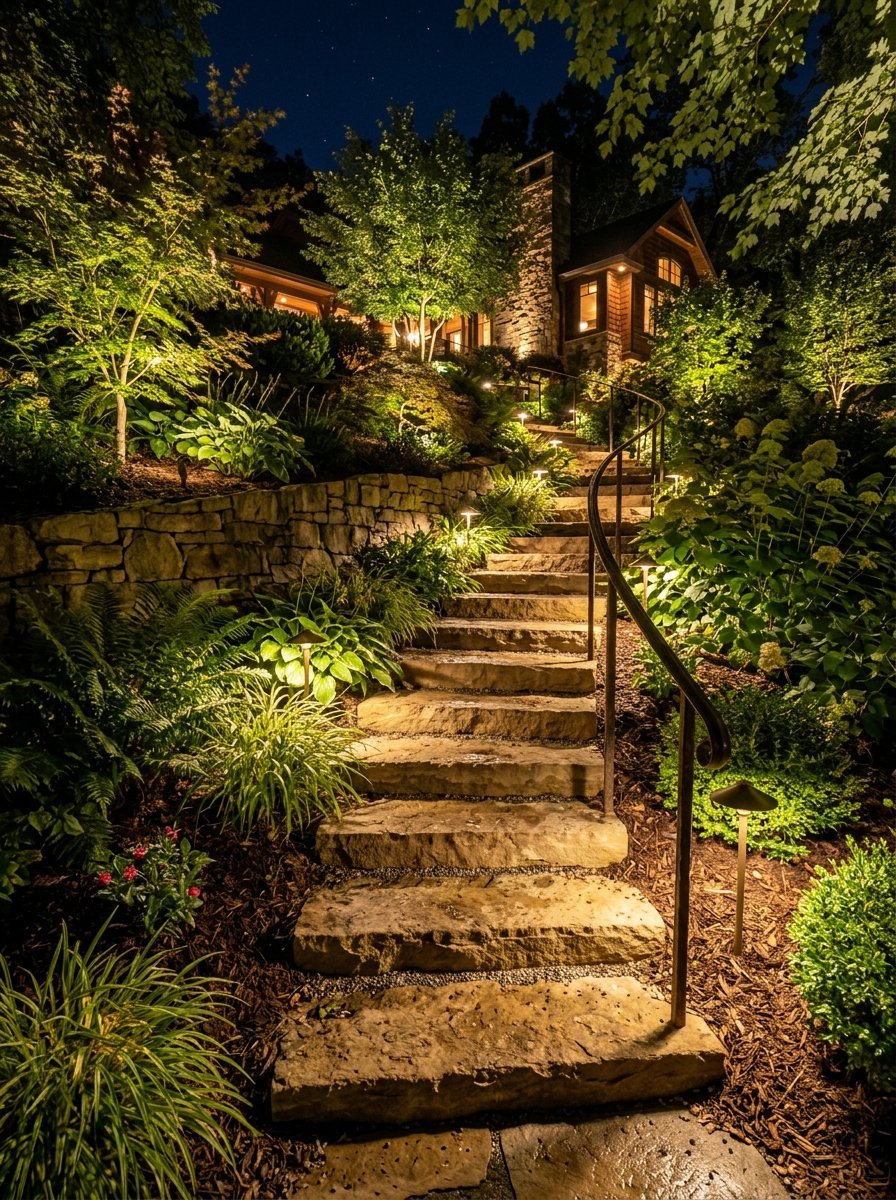
Proper subsurface drainage keeps water moving through and away from the lawn instead of pooling on the surface after rain. This matters for both natural sod, where standing water encourages root rot and fungal disease, and artificial turf, where poor drainage leads to unpleasant odor and a soggy feel underfoot.
Selecting the Right Grass Variety
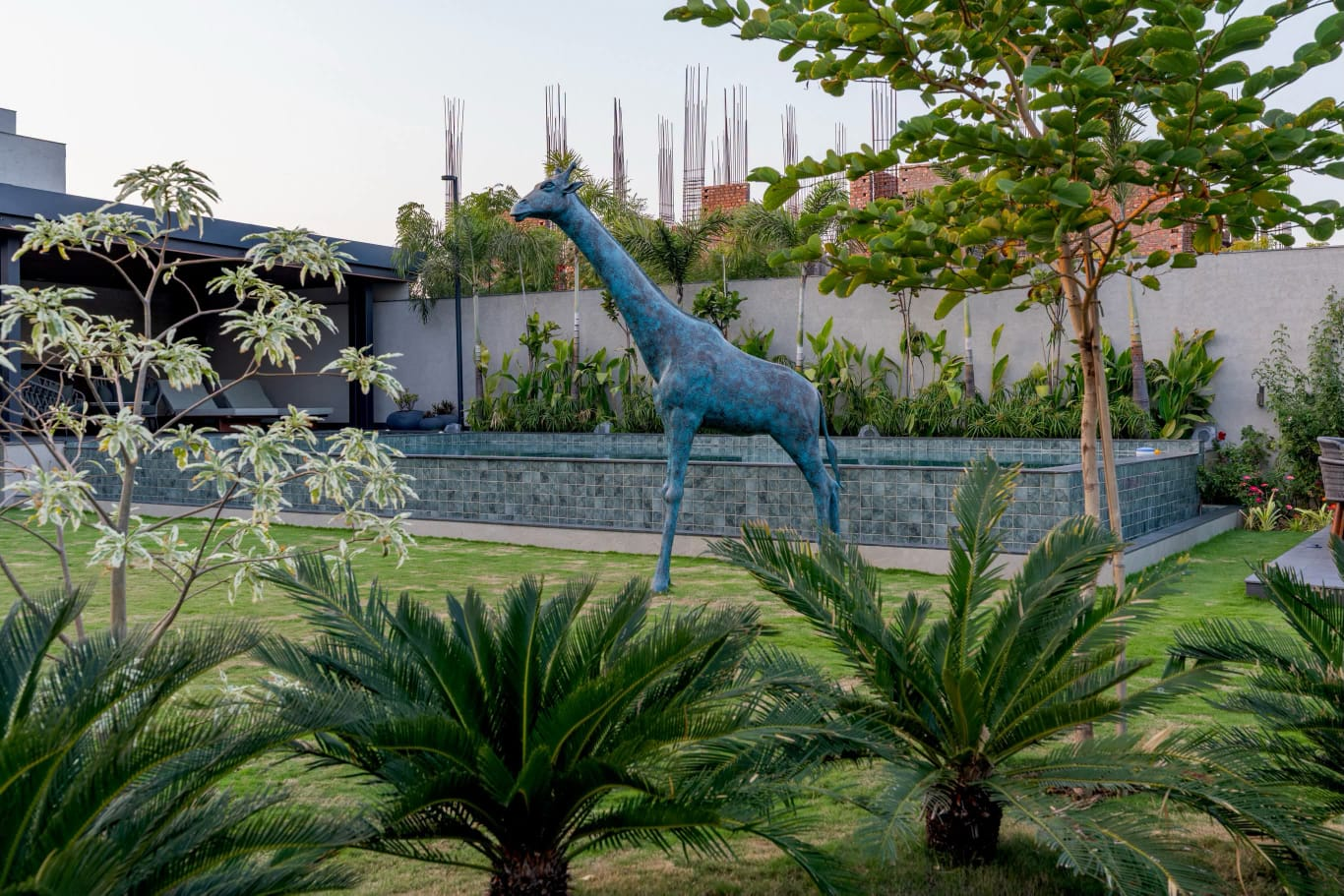
For natural turf, grass type has to match the climate and how the lawn will be used — a variety suited to heavy foot traffic differs from one chosen mainly for appearance, and one suited to full sun differs from one that needs to handle shade. Mismatching variety to conditions is a common reason natural lawns thin out over time regardless of how well they’re maintained.
Artificial Turf Considerations
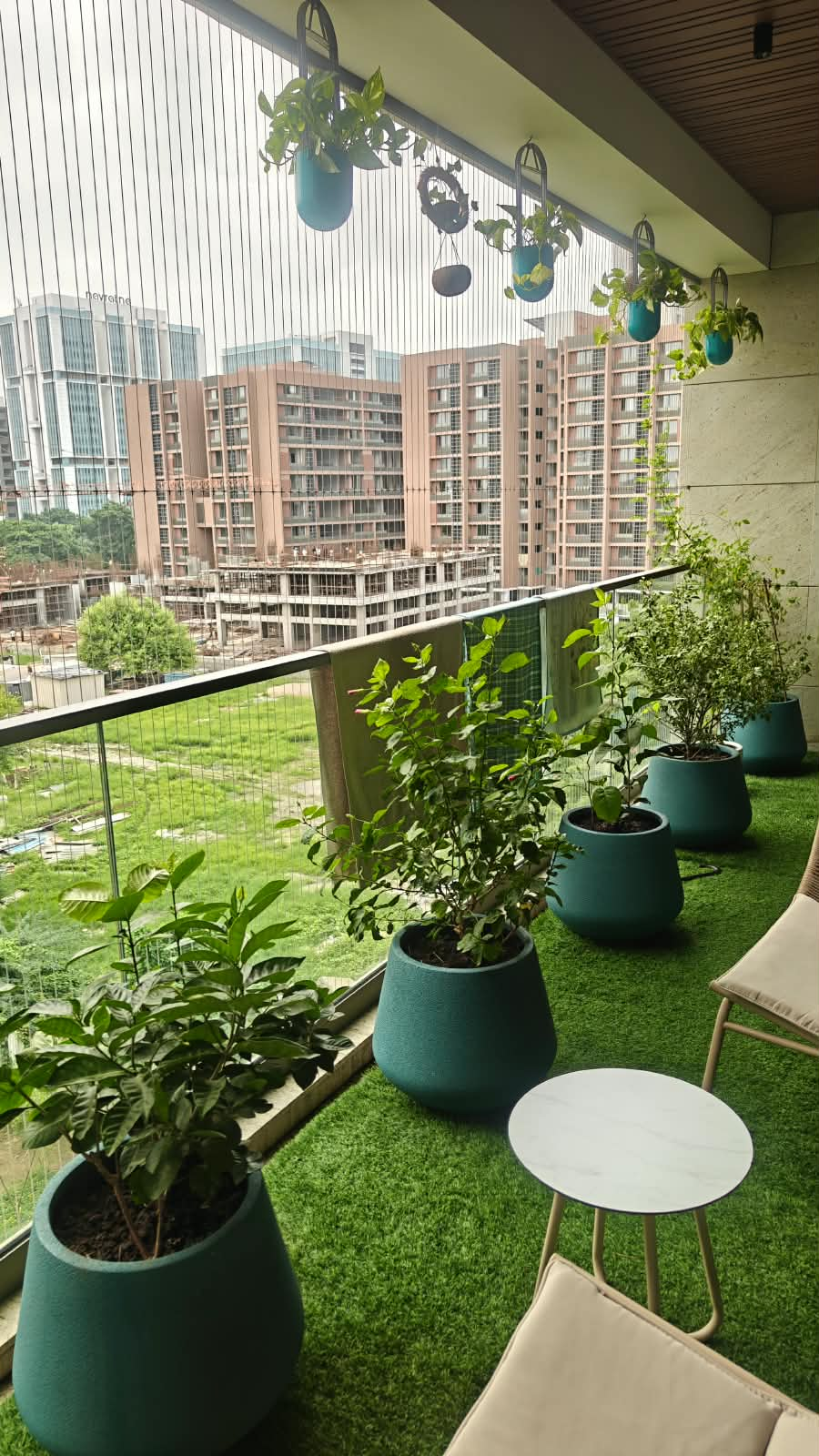
Artificial turf removes the ongoing mowing and watering that natural grass needs, but it still depends entirely on the base preparation underneath it — a well-prepared base gives artificial turf a natural feel and even surface, while a poorly prepared one telegraphs every dip and unevenness straight through the material.
Why the Base Matters More Than the Grass Itself
A high-quality grass variety or premium artificial turf laid over an inadequately prepared base will still underperform, while proper preparation gives even a standard turf choice a far better chance of looking and functioning well for years. The base work is the part that doesn’t show once the lawn is finished, but it’s what the whole installation’s longevity actually depends on.