
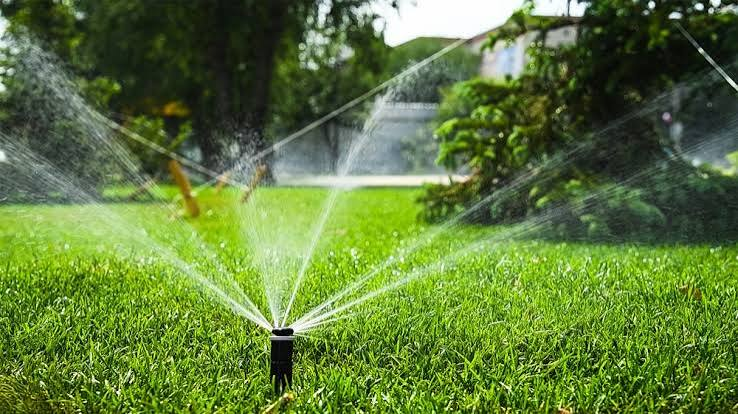
Irrigation System Installation

Plumbing lines, valves, pressure regulators, and fully automated multi-zone control systems.

An irrigation system’s job is simple to describe and easy to get wrong in practice: get the right amount of water to the right plants at the right time, automatically, without waste. Done properly, it takes watering off the property owner’s daily to-do list while actually using less water than manual watering usually does, since it’s tuned to the site instead of guessed at.

What Goes Into a Proper Installation

Zoning the Property

Lawn, shrub beds, and specimen plants all have different water needs, so a system is split into zones that can each run on their own schedule and flow rate. Grouping plants with similar watering needs onto the same zone is what makes the schedule actually make sense later — mixing high-water and low-water plants on one zone means one or the other is always getting the wrong amount.

Plumbing Lines & Valves

Supply lines are run from the water source out to each zone, with valves controlling which zone is active at any given time. Line depth, pipe sizing, and valve placement all affect both performance and how easy the system is to service later if something needs repair.

Pressure Regulation

Sprinkler heads and drip emitters are rated for a specific pressure range — too high and heads mist instead of spraying properly (wasting water to evaporation and drift), too low and coverage falls short. Pressure regulators keep each zone within the range its components were designed for.

Automated Multi-Zone Controllers

A controller schedules when each zone runs and for how long, and modern controllers can adjust automatically based on weather data or soil moisture sensors, skipping a cycle after rain instead of watering on a fixed schedule regardless of conditions.

Testing & Coverage Check

Once installed, every zone gets tested for even coverage — checking for dry spots, overlapping spray patterns, and correct pressure at each head — before the system is considered finished, since problems are far easier to catch and fix at this stage than months later.

Why It Pays Off Over Time

A well-zoned, properly pressured system uses water more efficiently than manual watering, reduces plant stress from over- or under-watering, and removes the daily guesswork entirely. The upfront planning is what makes the long-term difference — a system installed without proper zoning or pressure regulation tends to need constant manual adjustment, which defeats the point of automating it in the first place.
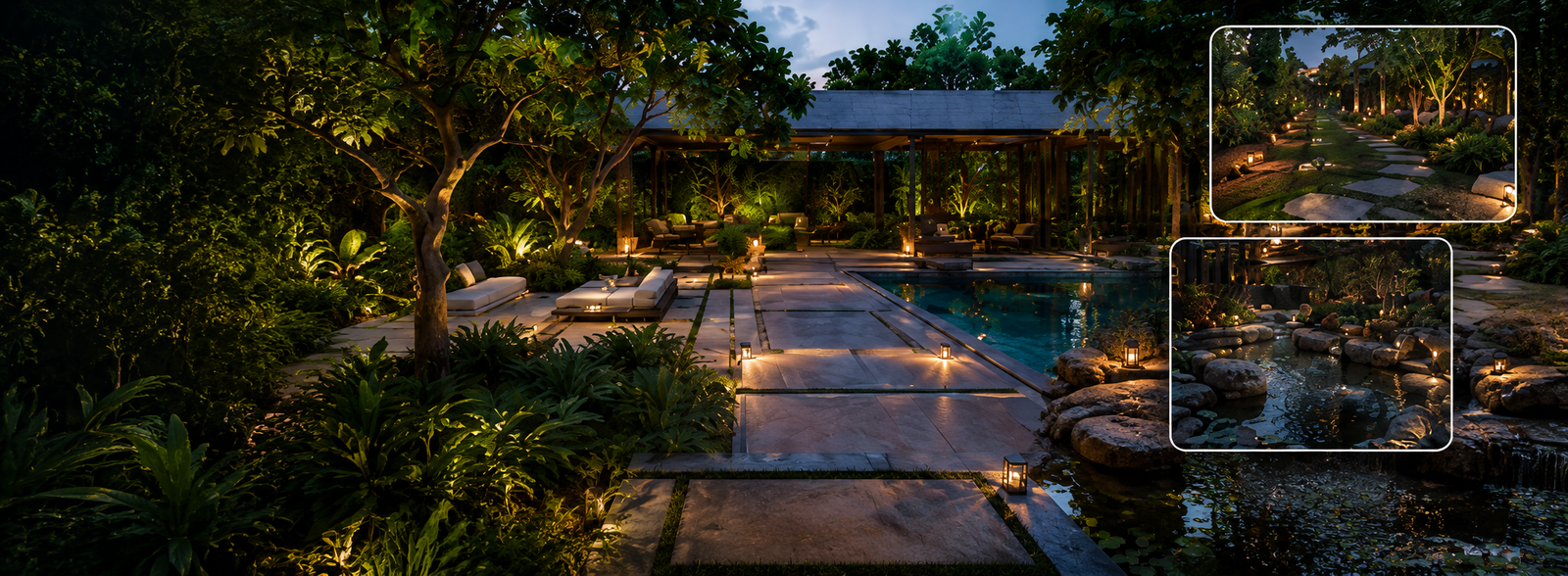
Drip Irrigation & Sprinkler Systems

Targeted drip emitters for root beds, pop-up gear sprinklers, and smart controllers.

Drip irrigation and sprinkler systems solve the same basic problem — getting water to plants without a person standing there with a hose — but they’re built for very different situations. Choosing the right one for each part of a property, rather than defaulting to one type everywhere, is usually what separates a system that actually works well from one that wastes water or under-serves certain plants.

Two Different Tools for Two Different Jobs

Drip Emitters for Root Beds

Drip irrigation delivers water slowly and directly to the base of a plant through small emitters along a tubing line, which suits shrub beds, planting borders, and individual specimen plants well. Because the water goes straight to the root zone instead of spraying over leaves and open soil, less is lost to evaporation and runoff, and foliage stays drier — which also helps reduce certain fungal problems that thrive in constantly wet leaves.

Pop-Up Gear Sprinklers for Lawn Areas

Open lawn areas are better served by pop-up gear-driven sprinklers, which rotate to cover a wide area evenly and retract flush with the ground when not running, so they don’t get in the way of mowing. Gear-driven heads are generally preferred over simple spray heads for larger areas since they distribute water more evenly across distance and are less prone to misting in wind.

Matching the System to the Planting

The most efficient setups usually combine both — drip lines running through planting beds and borders, pop-up sprinklers covering open turf — rather than trying to make one system type work for the whole property. Mixed planting and lawn on the same zone almost always leads to over- or under-watering one or the other.

Smart Controllers

Both drip and sprinkler zones can run through the same smart controller, which adjusts run times based on weather data, skips cycles after rainfall, and lets each zone keep its own schedule even though they’re on the same system. This is where a lot of the day-to-day water savings actually come from, more than the hardware choice alone.

Why the Split Matters

A property watered entirely by one method almost always has some area that’s wrong for it — a bed getting misted by a sprinkler head, or a lawn corner a drip line can’t reasonably cover. Splitting the system by what each area actually needs is what keeps both water use and plant health where they should be, rather than compromising on both.