
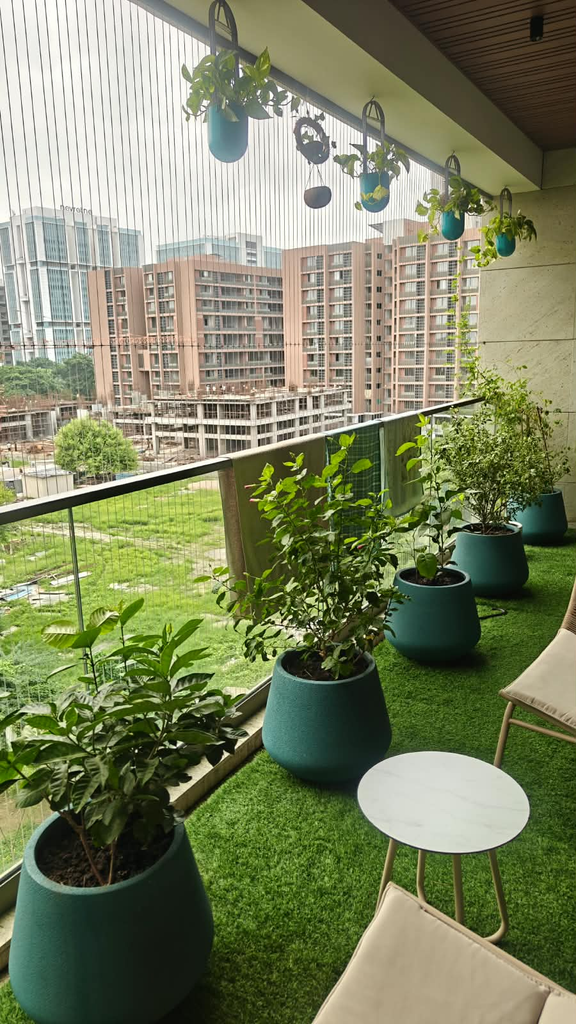
Importation and acclimatization of exotic palms, bonsais, and custom tropical foliage structures.
Exotic palms, bonsais, and tropical foliage bring a look that local nursery stock often can’t match on its own, but getting them from source to a thriving spot in someone’s garden involves a lot more than placing an order. Import logistics, acclimatization, and ongoing care all shape whether a plant actually settles in or struggles indefinitely after arrival.
What Goes Into Sourcing and Establishing Them
Import Logistics
Bringing plants in from other growing regions means navigating quarantine and phytosanitary requirements, transit conditions that protect root systems and foliage, and timing shipments around the plant’s tolerance for the journey itself. Getting this stage wrong shows up later as stressed, weakened stock even if everything after arrival is handled well.
Acclimatization
A plant grown in one climate doesn’t simply transplant into another overnight — light intensity, humidity, and temperature all need to be stepped down or up gradually so the plant can adjust without going into shock. This transition period is often where imported plants are most vulnerable, and rushing it is a common reason otherwise healthy stock fails to establish.
Site Matching
Not every tropical or exotic species suits every property — microclimate, shelter from wind, and available light all determine which imported plants have a realistic chance of thriving in a given spot versus which ones will need constant intervention to survive there.
Bonsai & Specimen Care
Bonsai and other specimen plants typically need more specialized, ongoing attention than general garden planting — particular pruning techniques, careful watering, and root management that differs plant to plant. This is usually where hands-on experience with the specific species matters more than general landscaping knowledge.
Custom Foliage Structures
Tropical foliage is often used to build layered, structural plantings — different heights and leaf textures combined for visual depth — rather than planted as isolated specimens, which takes planning around how each plant will grow and fill in relative to the others over time.
Why the Post-Arrival Period Matters Most
The weeks immediately after a plant arrives and goes through acclimatization are when most losses actually happen — not during transit, and not months later once a plant is established. Close monitoring and adjustment during that window is what determines whether an imported specimen becomes a long-term feature of the garden or a costly loss.